
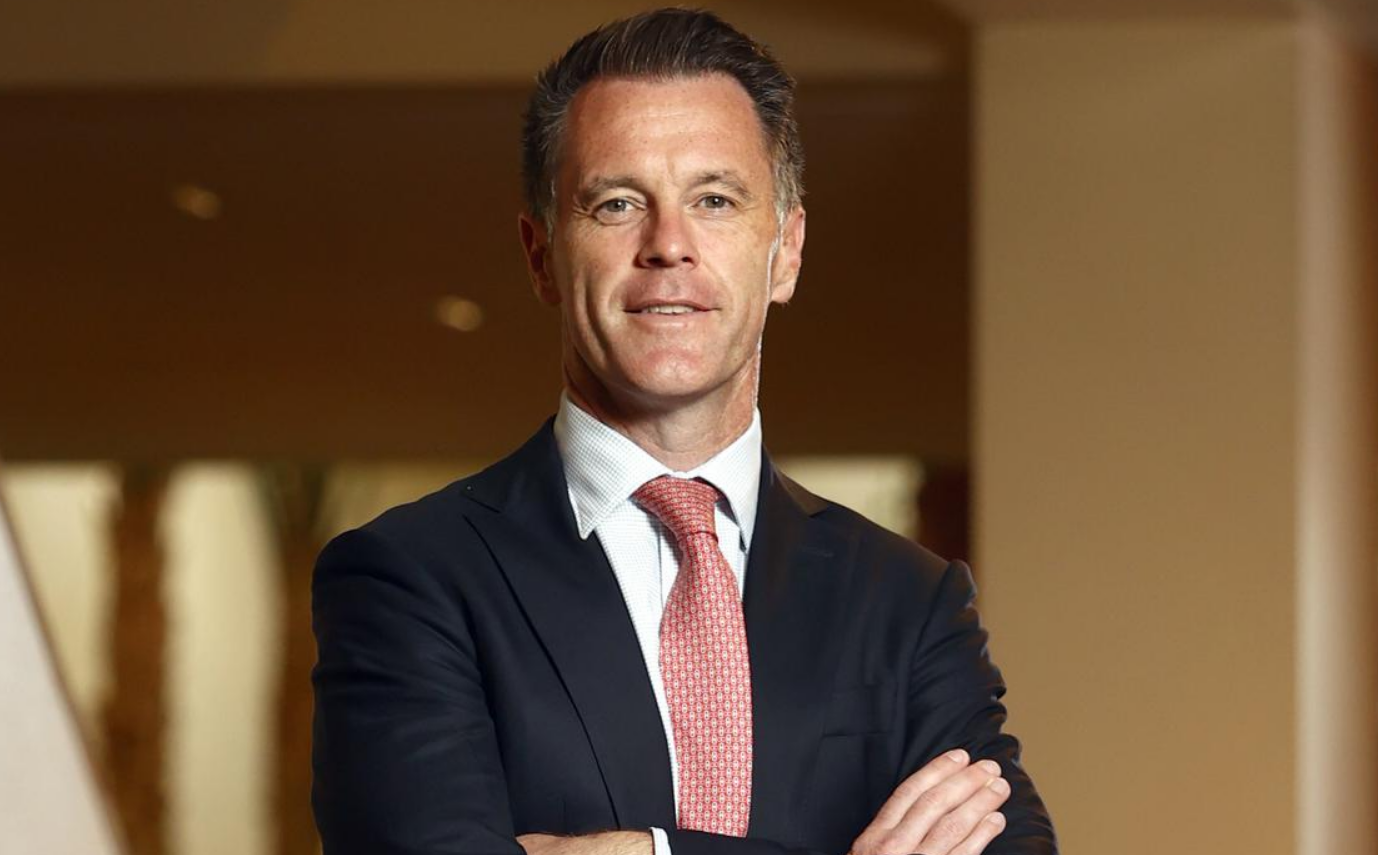
Chris Minns emerged in Australian politics at a moment when many voters were growing exhausted by constant political conflict, ideological extremes, and media-driven outrage. As Premier of New South Wales and leader of the state Labor Party, Minns has built his public image around pragmatism, moderation, and administrative competence rather than dramatic political spectacle. His rise reflects a broader shift among voters who increasingly value stability and practical governance in uncertain times.
Unlike politicians who cultivate highly theatrical personas, Minns often projects a calm and measured presence. This style has helped him appeal to a broad range of voters, particularly those frustrated by aggressive partisan politics. Supporters view him as practical and approachable, while critics sometimes argue that his cautious style lacks bold vision. Yet this very restraint has become one of his defining political strengths.
Born and raised in New South Wales, Minns entered politics through Labor’s traditional structures, building experience gradually rather than through sudden populist breakthroughs. His political development reflected the institutional culture of the Australian Labor Party, which historically balances progressive social values with strong emphasis on economic management and working-class representation.
Before becoming Premier, Minns spent years in parliamentary politics, gaining experience across multiple policy areas. During this period, he developed a reputation as disciplined, strategic, and focused on long-term political positioning. Unlike some politicians driven heavily by ideology, Minns often presents politics as a process of balancing competing interests rather than pursuing sweeping transformation.
His leadership gained momentum during a period when many Australians were increasingly concerned about cost-of-living pressures, healthcare systems, housing affordability, transport infrastructure, and trust in government institutions. Minns focused strongly on these everyday governance issues instead of relying heavily on cultural conflict or symbolic political battles.
One reason his political messaging resonated was its emphasis on competence and stability. Rather than portraying politics as permanent crisis, Minns frequently framed government as a practical institution responsible for improving daily life through functional public services and responsible economic management.
Transport and infrastructure became particularly important themes during his rise to leadership. In rapidly growing urban regions like Sydney, issues involving commuting, public transportation, housing development, and city planning directly affect millions of residents. Minns consistently emphasized the importance of efficient infrastructure investment and long-term urban planning.
Healthcare and education also remained central pillars of his political agenda. Like many center-left leaders, Minns argued that strong public institutions are essential to social stability and economic opportunity. His approach often focused less on revolutionary reform and more on improving access, staffing, funding efficiency, and long-term sustainability.
Housing affordability emerged as one of the defining challenges facing his government. Rising property prices and rental costs created increasing pressure on younger Australians and middle-income households. Minns repeatedly acknowledged that housing insecurity was reshaping social expectations and economic confidence across the state.
Politically, Minns represents a more moderate branch of contemporary Labor politics. While progressive on many social issues, he generally avoids highly ideological rhetoric. Instead, he emphasizes practical outcomes, fiscal responsibility, and incremental policy improvements. This positioning allows him to appeal to centrist voters while maintaining support within Labor’s broader coalition.
His critics, however, sometimes argue that moderation alone is insufficient during periods of major social and environmental change. Progressive activists occasionally push for faster reforms in areas such as climate policy, housing regulation, and public sector investment. Meanwhile, conservative opponents criticize government spending or accuse Labor administrations of expanding bureaucracy.
Minns’ challenge as Premier involves navigating these competing expectations while maintaining political stability. Modern democratic leadership increasingly requires balancing economic uncertainty, media pressure, public distrust, and rapidly shifting voter priorities. In that environment, his cautious and managerial style may be both an advantage and a limitation.
Another notable aspect of Minns’ leadership is his communication style. Compared to politicians who dominate headlines through controversy or dramatic statements, Minns tends to communicate in a more restrained and conversational manner. This approach helps project reliability, though it can sometimes make it harder to generate emotional enthusiasm among supporters.
Nevertheless, his political success demonstrates that many voters continue to value steadiness over spectacle. In an era shaped by polarization and constant digital media conflict, leaders who appear calm and pragmatic can still attract strong public support.
Minns also represents broader generational changes within Australian politics. Younger political leaders increasingly operate in environments shaped by housing anxiety, economic precarity, climate concerns, and institutional distrust. Their political language often reflects a more managerial understanding of governance focused on maintaining social stability amid uncertainty.
As Premier of Australia’s most populous state, Minns occupies one of the country’s most influential political positions. Decisions made in New South Wales frequently shape national conversations about infrastructure, education, healthcare, housing, and economic development.
Whether his leadership ultimately becomes remembered as transformative or stabilizing, Chris Minns has already helped redefine what political authority can look like in contemporary Australia. Instead of presenting himself as a larger-than-life figure, he has built his reputation around competence, moderation, and the promise of practical governance.
For supporters, this makes him a refreshing alternative to political chaos and ideological extremism. For critics, it raises questions about whether cautious leadership can adequately confront the scale of modern social and environmental challenges. Yet regardless of perspective, Chris Minns has become an important figure in Australia’s evolving political landscape and a symbol of a more restrained style of democratic leadership.
